
Special Elements
Mango: Nutrition, Antioxidants & the King of Tropical Fruit

Called the “king of fruits” across much of the tropical world, mango has earned the title. Beyond its unmistakable sweetness, it delivers a genuinely impressive nutritional package — vitamin C, vitamin A precursors, fiber and a family of plant antioxidants — wrapped in one of the most beloved flavors on earth. For a nutrition company built on eating widely from real tropical foods, mango is a headline act.
What’s in a mango
Mango (Mangifera indica) is rich in vitamin C for immune and antioxidant support, and in carotenoids like beta-carotene that the body converts toward vitamin A — the source of that deep orange flesh. It provides dietary fiber for digestion and satiety, a range of B-vitamins and potassium, and a spread of polyphenol antioxidants including mangiferin, a compound fairly unique to mango that’s been a focus of research interest.
| Nutrient | Contribution |
|---|---|
| Vitamin C | Antioxidant support and immune function |
| Provitamin A (carotenoids) | Vision, skin and immune health |
| Fiber | Digestion, satiety and a healthy microbiome |
| Polyphenols (e.g. mangiferin) | Plant antioxidants studied for their activity |
Sweetness and nutrition in the same bite — mango is the case that eating well was never meant to be a chore.
How to enjoy it
Ripe mango needs nothing but a spoon, but its versatility is half the fun: blend it into smoothies, dice it into salsa with chili and lime, freeze it for a natural sorbet, or slice green (unripe) mango into tart, crunchy salads the way much of Southeast Asia does. A practical note on nutrition: mango’s natural sugars come bundled with fiber and water, which is exactly why whole fruit behaves very differently in the body than refined sugar. Enjoy it as the whole food it is.
From the field — what we’ve seen
Nutrition tables tell you what’s in a mango; fifteen years in tropical orchards tell you what that means. A mango ripened on the tree and eaten within a day of picking is a different food from one shipped green and gassed to color — sweeter, more aromatic, and, in our experience, far more satisfying. Variety and soil change everything, and the fruit hitting its peak at the hottest, hardest-working time of year is no accident: it’s real, fiber-buffered fuel arriving exactly when the body wants it. Some of that the field simply knows before the studies get around to measuring it.
Supporting study & further reading
- U.S. Department of Agriculture, Agricultural Research Service. FoodData Central — Mango, raw.
- Lauricella M, et al. “Multifaceted Health Benefits of Mangifera indica L. (Mango): The Inestimable Value of Orchards Recently Planted in Sicilian Rural Areas.” Nutrients, 2017.
- Imran M, et al. “Mangiferin: a natural miracle bioactive compound against lifestyle related disorders.” Lipids in Health and Disease, 2017.
Part of the natural-food studies at Nutritional Diversity. Explore the wider system at nutritionaldiversity.com/ecosystem.


Few plants are as disliked — or as misunderstood — as ragweed. To most people it’s simply the reason late summer means itchy eyes and endless sneezing. But ragweed is also a native North American plant with a genuinely surprising past: it was one of the continent’s ancient cultivated seed crops, and its very name is tangled up with wormwood in a way worth untangling.
What ragweed is (and the wormwood mix-up)
Ragweed is the genus Ambrosia — most commonly Ambrosia artemisiifolia (common ragweed) and Ambrosia trifida (giant ragweed) — in the daisy family. Here’s the confusion we see constantly: common ragweed’s folk names actually include “American wormwood” and “bitterweed,” which is why people so often conflate it with true wormwood. They are not the same plant. True wormwood is Artemisia absinthium; ragweed is Ambrosia. Different genus, different chemistry, different story — even if an old common name blurred the line.
The allergy reality
There’s no sugar-coating ragweed’s headline trait: it is one of the most significant pollen allergens in North America. A single plant can release enormous quantities of lightweight pollen that travels for miles on the wind, and its late-summer-into-fall season is the classic cause of seasonal allergic rhinitis — hay fever. People allergic to ragweed may also react to related plants and, through cross-reactivity, to certain foods like melon and banana in some cases.
The forgotten history: an ancient seed crop
Here’s the part almost no one knows. Long before it was a villain, giant ragweed (Ambrosia trifida) was part of the “Eastern Agricultural Complex” — a group of plants that Indigenous peoples of eastern North America cultivated thousands of years ago. Archaeological evidence shows ragweed seeds among early cultivated foods, valued as an oily, protein-bearing seed before maize came to dominate. It’s a striking reminder that our labels — “weed,” “crop,” “medicine,” “menace” — say as much about us as about the plant.
One plant, four names, and a history that runs from ancient granary to modern nuisance — ragweed is a lesson in how much context decides a plant’s reputation.
From the field — what we’ve seen
Fifteen years of working the land teaches you to read plants the way the old growers did — not as heroes or villains, but as parts of a system. Ragweed is a pioneer: it rushes into bare, disturbed, abused soil, and where you see a lot of it, the ground is often telling you something about how it’s been treated. That ecological literacy — knowing what a plant’s presence means — is field knowledge that rarely makes it into a nutrition table. We document ragweed here for exactly that reason: to know a plant honestly, allergen and ancient food alike, is part of a truly diverse understanding of the living world.
Supporting study & further reading
- Native Plant Trust, Go Botany. “Ambrosia artemisiifolia (common ragweed)” and “Ambrosia trifida (giant ragweed).”
- North Carolina Extension Gardener Plant Toolbox. “Ambrosia artemisiifolia (American Wormwood, Common Ragweed).”
- Smith BD. “The Eastern Agricultural Complex” — archaeological literature on early cultivated seed crops of eastern North America.
Part of the natural-food studies at Nutritional Diversity. Explore the wider system at nutritionaldiversity.com/ecosystem.
Bromelain: Pineapple’s Powerful Enzyme
Bromelain is a group of enzymes found in the stem and fruit of the pineapple (Ananas comosus). More than a tropical treat, pineapple carries one of nature’s most studied digestive enzymes.
Nutritional & Phytochemical Profile
Bromelain is a proteolytic enzyme, meaning it helps break down proteins. It is concentrated in the pineapple core and stem and is often extracted for use on its own, alongside the fruit’s vitamin C and manganese.
Traditional & Modern Uses
Traditionally, pineapple has been eaten to aid digestion after protein-rich meals. Bromelain is now widely used to support digestion, a healthy inflammatory response, and post-exercise recovery as part of a balanced routine.
How to Use & Enjoy
Fresh, ripe pineapple — especially closer to the core — provides natural bromelain; note that cooking deactivates the enzyme, so raw fruit is best. Concentrated bromelain is also available in supplement form.
The Nutritional Diversity Perspective
Bromelain highlights the role of food enzymes in nutrition — an often-overlooked dimension of dietary diversity that whole, raw foods uniquely provide.
These statements have not been evaluated by the Food and Drug Administration. This content is for general educational purposes and is not medical advice. Consult a qualified healthcare provider before use, especially if pregnant, nursing, taking medication, or managing a health condition.
Yohimbe: The Potent West African Bark
Yohimbe (Pausinystalia johimbe) is an evergreen tree native to Central and West Africa whose bark has a long history of traditional use. It is one of the more potent botanicals and deserves respectful, informed use.
Nutritional & Phytochemical Profile
Yohimbe bark contains the alkaloid yohimbine along with related compounds. Because these alkaloids are pharmacologically active, yohimbe is far more potent than most culinary botanicals, and its content can vary widely between products.
Traditional & Modern Uses
Traditionally, yohimbe bark has been used in West African practice as a stimulant and tonic. Modern use should be cautious: yohimbe can raise heart rate and blood pressure and is not suitable for everyone — particularly those with cardiovascular conditions, high blood pressure, anxiety, or who are pregnant or nursing.
How to Use & Enjoy
Because of its potency and variability, yohimbe should only be used under the guidance of a knowledgeable healthcare provider who can advise on whether it is appropriate and at what dose. It is not a casual daily botanical.
The Nutritional Diversity Perspective
Yohimbe is included here for education and completeness. It is a clear reminder that “natural” does not mean “gentle” — some botanicals are powerful and call for informed, careful respect.
These statements have not been evaluated by the Food and Drug Administration. This content is for general educational purposes and is not medical advice. Consult a qualified healthcare provider before use, especially if pregnant, nursing, taking medication, or managing a health condition.
-

 Agriculture6 months ago
Why Small Alternative Tropical Agriculture is the Best Investment Today
-

 Special Elements3 months ago
Garlic Vine (Ajos Sacha / Mansoa alliacea): The Amazon’s Garlic-Scented Plant
-

 Special Elements6 months ago
Best Pre-Workout Supplement Rankings, Benefits, Side Effects & Experience
-
 Special Elements4 months ago
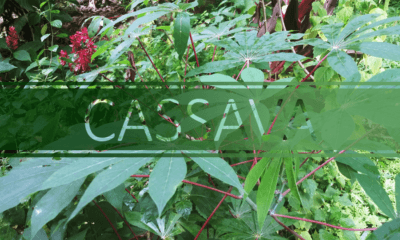
Cassava (Manioc): Nutrition, Energy & Safe Preparation
-

 Special Elements6 months ago
Best Glutamine Rankings, Benefits, Side Effects & Experience
-
 Special Elements4 months ago
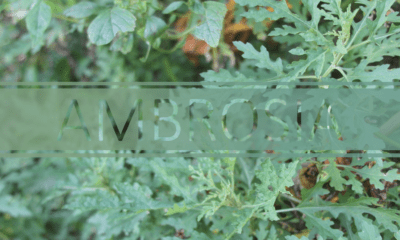
Wormwood (Artemisia absinthium): The Bitter Herb — Traditional Uses & Real Cautions
-
 Special Elements4 months ago
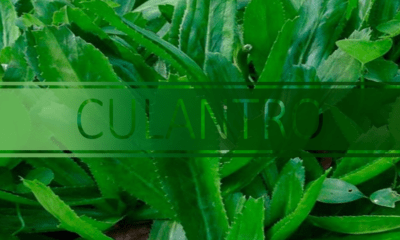
Culantro (Eryngium foetidum): The Bold Tropical Cousin of Cilantro
-
 Special Elements3 months ago
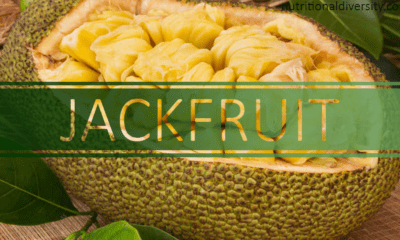
Jackfruit: Nutrition, Fiber & the Tropical Meat Alternative