
Special Elements
Best Taurine, Rankings, Benefits, Side Effects & Experience

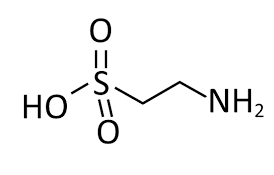
The Best Taurine is a wonder molecule that boosts performance and fights disease. A good supplemental boost of the isolate increases performance and energy as well as supports tissues under heavier stress.
Taurine, 2-aminoethanesulfonic acid, is an organic compound that is widely distributed in animal tissues and is a major constituent of bile that can be found in the large intestine.
The acid accounts for up to 0.1% of total human body weight. A sulfur-containing amino classified as “semi-essential” in mammals and is produced by the liver and kidneys. It is a common element who presents herself in various organs such as the eyeball retina, the brain, the heart, and the placenta that demonstrates impressively extensive physiological activities within the body.
Taurine is named after the Latin Taurus, which means bull or ox. This is because it was first isolated from ox bile in 1827 by German scientists Friedrich Tiedemann and Leopold Gmelin. {x}
Bull balls, also known as “Rocky Mountain Oysters” and bull seamen have old-school tough guy cowboy rumors attached to them, and there is some science out there on the subject. I myself being from the Rockies (Albuquerque, New Mexico) I am certainly inclined to think that anything from the Rockies is tough-guy stuff.
Bulls usually become fertile around seven months of age and this fertility is measurable to the size of their testicles. One simple test of fertility is to measure the circumference of the scrotum whereas a young bull is likely to be fertile once this reaches 28 centimeters (11 in), and that of a fully adult bull may be over 40 centimeters (16 in). {x} However most historical taurine extractions actually came from bile which is more like stomach acid and today it is mostly lab-created.
It was later discovered in the human stomach bile in 1846 by Edmund Ronalds.
Concentrations of taurine exist in the eye retina, and large amounts of the super chemical exist in the brain.
Taurine has many biological roles, such as the conjugation of bile acids, helpful anti-oxidation, osmoregulation, important membrane stabilization, and modern dieters especially, the very helpful modulation of calcium signaling.
It is an essential element for cardiovascular function, and development and function of skeletal muscle, the eye retina, and the human central nervous system.
The wonder molecule has been used to treat high blood pressure and is thought to enhance athletic performance, aid in muscle cramps and digestion, making it an NDdiet all-around favorite.
The root element of Red Bull and other popular energy drinks, the best taurine is not found so much in the energy drinks but in the dedicated best taurine supplements for the health market.
Taurine all its own, like cordyceps, is a no-brainer of modern affordable availability to the supplemental regimen.
For most clients athletes and older especially in the States, where it is very necessary and easy to get a few extra things; the best taurine supplement can improve quality and life.
The research behind the benefits of the anabolic nutrient that keeps obesity away by helping the body metabolize fats is stacked.
I prescribe a taurine supplement to most of my clients.
So let’s get the best taurine stuff.
TAURINE RANKINGS
We just do referrals, not orders. All roads to go to Amazon.com from here.
-
Hard Rhino

A kilo for 20 bucks of lab-tested, best taurine powder – a no brainer.
2. Bulk Supplements

Over 1500 solid five-star customers.
3. Vimerson Natural Sleep Aid

Taurine rich complex as an herbal sleep aid. There is so much need for an evening herbal supplement to help wind down while getting in some key herbal essence. This is a great tool for the box, another no brainer for me.
4. Nutra Bio

One pound powder in a rucksack or gym bag ready plastic tub.
5. Amazing Nutrition

Capsules are a good way to get a measured daily dose. 100, 1000mg capsules.
6. Life Extension

Amazons Choice, likely for the great price and 100 reviews.
7. Pure

Another Amazons Choice with 100 reviews, in a smaller dose of 500 mg tablets x 60.
8. Now

300 happy reviews, 250 counts. Affordable.
9. Nutri Cost

400, 1000mg capsules from Nutricost.
TAURINE BENEFITS
Evidence strongly suggests adequate taurine can protect against heart disease. [1,a,] The best taurine deficiency showed a direct link to heart disease in dogs in a study from UC Davis. [b] I am a dog person so I want to make sure I look into a supplement for my best friends too. I hook em up with a T bone one a week, but after this article, I will be adding in some fish and maybe look at ranking some k-9 taurine capsules to see how supportive they are in my dogs.
The consistency in positive results from sufficient levels of the amino is overwhelming. [c,d]
The substance is a “very essential” amino acid [2], and “wonder molecule,” [3] that protects the liver. [4]
It limits oxidative stress by protecting useful enzymes. [5]
Effective treatment for muscular-skeletal disorders. [6] High doses of this essence represent drastic fixes in muscular dystrophy examinations. [a]
Is undergoing clinical trials on cognitive brain function restoration/enhancement, in diabetics. [7] Cornell University took a look at the wonder molecule’s effects on the brain discovering she “is a strong activator of what are known as GABA [gamma-aminobutyric acid] receptors in a regulatory area of the brain.” [8] Supplementation could be an agent of neurological function regeneration and treatment of neurological disorders. [a,b]
The wonder essence is also considered an antidepressant, stress reduction aid. [9,a]
Even a hopeful treatment for ticks in youngsters comes from taurine and it-s scientific study. [10]
Animal testing with Golden Retrievers revealed similar lacks of optimal acid levels in the K-9 species administered commercial dog food. [11]
The Food and Drug Administration recently approved the best taurine as fish food supplement. [AR4] A domino fall from the European Food Safety Authority approval [AR5] which will increase understanding of taurine homeostasis in fish species of interest to aquaculture, just before the FAO Year of Fisheries and Aquaculture 2022 [12]

Taurine is a large energy source for Marine Prokaryotes in the North Atlantic Ocean off the Iberian Peninsula, one study finds. [13]
Taurine is specifically needed when plant-based marine food administered to the grouper. Genes encoding for taurine transporters and enzymes involved in taurine metabolism in oceans have been mainly affiliated to the abundant alphaproteobacterial taxa Rhodobacteraceae and similar all in all contributing up to forty percent of the prokaryotic community. [14]
Studies of the Sonic hedgehog pathway, cochlear neural stem cells, cyclopamine, and the most abundant and widely distributed amino acid in human cell tissues (the best taurine) with fundamental physiological functions, indicate that the best taurine levels coincide with the maintenance of young muscular shape, and visa versa low levels are associated with aging and aged muscle shape. [15]
TAURINE SIDE EFFECTS
Taurine is safe, it’s needed, and tests have shown that it does not upset in any way the gut/colon micro-biome. [16]
Even high doses have had beneficial effects. [6a]
With all supplements start small and work up to assess tolerance.
TAURINE EXPERIENCE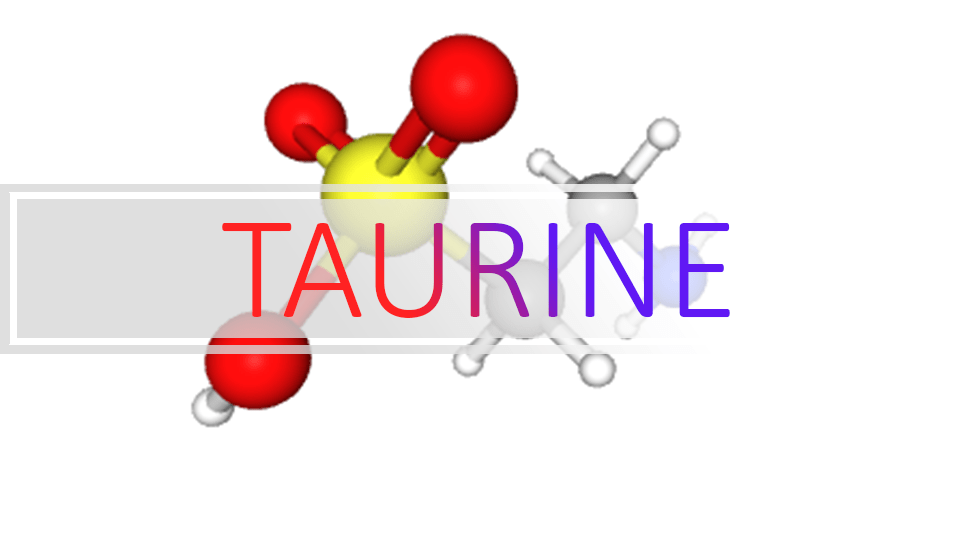
Taurine is likely one of the pivotal, possibly even visible deficits in certain people who have been on vegetarian or Vegan diets for a long time.
In supplements, taurine is most likely the synthetic version, so it is not an animal product. For economical reasons, the majority is lab-created amino synthetically, rather than a natural extract.
The real power to protect brain function, improve sleep and athletic performance, and defend against disease is clear in the above-referenced study, and the lack of the substances in the modern diet is also clear.
This is one of those ones you want to make sure to have because it nurtures longevity and current performance and tissue support.
Anyone in any kind of anti-aging program without a dedicated taurine source is way far behind the curve.
The soft-drink, energy-drink markets have advertised taurine, and because of its cheap availability from nutrition labs, it is the perfect ingredient there too. That being said getting abetter, more dedicated production source, in higher doses, will yield much more dependable results.
I myself have done 3000 mg daily taurine supplements, and I noticed it also balanced my protein digestion better. At this time I am using our number 1 ranked taurine product (above), and I cycle it in my heaviest weeks on a phase-in, phase-out slope, and keep it high dose for a good four to eight weeks before a competition or peak training week.
Nutritional Diversifists are always looking for the natural source. I feel also like the long history of dietary testicle use for the purpose of the “users balls to work better” or a Viagra-type effect falls in line with most claims on red-meat animal consumption. Eating cartilage supports cartilage eating lung supports the lungs, heart, muscle tissue, eating brains helps the brains, etc. Just looking at the number of cultures who recognize this bull ball phenomenon is telling.
Recently Vice News did quite an expose bull part cuisine and the positive effects it was having on the 50 to 60-year-old men who were fanatics of the rather ancient multi-cultural researched cattle kitchen.
Whether it is a natural or lab-created version of this wonder molecule, users can get the most of these sorts of benefits when consuming with like-effective damiana, and diversity of at least 60 food species.
As I write this I jotted down some takeaways and thoughts, from today’s soundtrack, thought was how in Philadelphia everyone was a “bull” but none of them any taurine 😛
“You gotta have people who are raw with you, who are real with you.., we can learn from everybody even if its what not to do…., be the person you needed when you were younger” – Kevin Ross
TAURINE DISCUSSION
Taurine’s correlation with aging and athletic performance makes her a constant supplement in most of our in-house ND team athletic regimens.
We have worked a lot with taurine supplementation, plant and animal foods, and even in a cross-contamination fungi experimental medium to make a witches brew that produces superpowers.
Taurine is too important not to cover as a diet super science so we did.
Taurine is cheap, and it is functional in neurological, digestive, reparative and performance activities, depletes with aging and we recommend regular supplementation of it to all modern dieters variably from the age of 18.
Young athletes could develop stronger joints and faster reaction times, consuming it early on during the developing years.
TAURINE FAQ
Q. What are the uses of taurine?
A. Primarily taurine plays a role in brain joint and bowel function. Many people believe it enhances athletic performance and can help prevent both heart and neurological disorders through neuro-cell-protective natural properties.
The science suggests that regular high-level supplementation same and that it can help with depression bone and tissue, prevent aging or signs of aging, and restore youthful vitality to older men.
Q. Is the taurine in an energy drink enough?
A. Not really. Although some are better than none, even if five thousand times the price an full of toxic crap.
The quality and cost of a taurine tablet or powder are very reasonable.
Q. They say sulfur stuff is the devil stuff.
A. Or the bull stuff.
Q. What is taurine?
A. Taurine (2-aminoethanesulphonic acid), a sulfur-containing amino acid, is found in most mammalian tissues. It performs certain important metabolic functions in our body.
Q. What specific benefit does taurine exhibit toward heart problems?
A. In congestive heart failure sufferers, taurine appears to improve left ventricular function in patients.
Q. What effect does taurine on our vision health?
A. Taurine has been very helpful in treating continual retinal degeneration.
Q. Does taurine possess antispasmodic property?
A. Taurine has benefits that fight against seizure disorders and epilepsy.
Q. What benefit does taurine show to our circulation?
A. Taurine has been shown to prevent the buildup of plaque in the arteries throughout the body.
Q. Does the use of taurine show any side effects?
A. There are no reported adverse effects when taking taurine, except for those who develop an allergic reaction to using it. However, it is prudent not to take taurine during pregnancy or breastfeeding period.
Q. Where is taurine found?
A. Our body can produce taurine, but it is also found in some foods.
Q. What kind of food does the majority of taurine derive from?
A. Taurine comes mostly from animal foods, including meat, fish, and dairy.
Q. What role does taurine play in our bodies?
A. The primary composition of bile secretion is coming from taurine. Taurine also regulates minerals like calcium within the cells. It assists in the body function of our central nervous system and eyes. Taurine maintains as well as balanced hydration and electrolyte composition in our cells.
Q. Does taurine help in diabetes?
A. More studies have to be conducted to verify if taurine may indeed benefit people with diabetes, potentially reducing blood sugar levels.
Q. Is taurine good for exercise performance?
A. Taurine addresses several important areas in the muscles and may aid in various aspects of exercise performance by lowering fatigue, raising fat burning, and preventing muscle damage.
Q. Is taurine beneficial to liver health?
A. Research has indicated that taurine can protect liver cells against free radical and toxin damage. In one study, the taurine dosage has shown reduced markers of liver damage while decreasing oxidative stress.
Q. Does taurine help to reduce blood pressure?
A. In human clinical studies, taurine has been observed to reduce blood pressure.
Q. What dosage in general is considered acceptable and safe for taurine?
A. A taurine dosage ranging from 500 to 3,000 mg per day is known to be effective and safe.
Q. Is taurine made synthetically as well?
A. Taurine is now also produced synthetically and some energy drinks incorporate taurine as a primary ingredient in them.
Q. Does taurine help sleep?
A. Taurine appears to have calming effects that can help us to sleep. Taking taurine before sleep may help us to sleep easier.
Q. How does taurine factor in help for hair health?
A. L-taurine is an amino acid that acts as an anti-fibrotic agent which inhibits the inflammation-induced hardening of the hair follicle, thus tackling the primary mechanism of the gradual follicle miniaturization.
TAURINE RECAP
Cheap, and effective support for longevity, heart health, tissue support, sleep, athletic and mental performance boosting is available to all with the “balls” to order it.
This is a top training recommend, wonder molecule goes out to most ND Athletes, and this 2020 our testers’ NDdiet regimen has been optimized with the best taurine!
Go slow and in small increments to assess tolerance. Safe for adults in doses up to 3k mg.
Open the mind and mark on the 2020 to-do list “try some Rocky Mountain Oysters.” Make sure the bull was loved by loving permaculturist, lived a full life, and was harvested the right way.
Till the next one take care.
The best one. My personal fav.
TAURINE RELATED MATERIAL
- Animal Permaculture
- Peak Performance Diet
- Learn Advanced Nutrition
- Best Serrapeptase
- Best Cordyceps
Additional Reference,
- Best Taurine, The Wonder Molecule -Boosts Performance & Fights Disease
- Anderson, C. M., Grenade D. S., Boll M., Foltz M., Wake K. A., Kennedy D. J., et al. 2004. H+/amino acid transporter 1 (PAT1) is the imino acid carrier: an intestinal nutrient/drug transporter in humans and rats. Gastroenterology 127:1410–1422
- Caine, J. J., and Geracioti T. D.. 2016. Taurine, energy drinks, and neuroendocrine effects. Cleve. Clin. J. Med. 83:895–904
- Nutrient Approval is Victory for U.S. Fish Farmers and Seafood Lovers. [(accessed on 9 February 2017)]; Available online: http://www.nmfs.noaa.gov/stories/2017/02/taurine-QA.html.
- European Food Safety Authority (EFSA) Scientific Opinion on the safety and efficacy of taurine as a feed additive for all animal species: EFSA Panel on Additives and Products or Substances used in Animal Feed (FEEDAP) EFSA J. 2012;10:2736
- JRE#1417

Jan 24, 2020, May 17, 2020

Few plants are as disliked — or as misunderstood — as ragweed. To most people it’s simply the reason late summer means itchy eyes and endless sneezing. But ragweed is also a native North American plant with a genuinely surprising past: it was one of the continent’s ancient cultivated seed crops, and its very name is tangled up with wormwood in a way worth untangling.
What ragweed is (and the wormwood mix-up)
Ragweed is the genus Ambrosia — most commonly Ambrosia artemisiifolia (common ragweed) and Ambrosia trifida (giant ragweed) — in the daisy family. Here’s the confusion we see constantly: common ragweed’s folk names actually include “American wormwood” and “bitterweed,” which is why people so often conflate it with true wormwood. They are not the same plant. True wormwood is Artemisia absinthium; ragweed is Ambrosia. Different genus, different chemistry, different story — even if an old common name blurred the line.
The allergy reality
There’s no sugar-coating ragweed’s headline trait: it is one of the most significant pollen allergens in North America. A single plant can release enormous quantities of lightweight pollen that travels for miles on the wind, and its late-summer-into-fall season is the classic cause of seasonal allergic rhinitis — hay fever. People allergic to ragweed may also react to related plants and, through cross-reactivity, to certain foods like melon and banana in some cases.
The forgotten history: an ancient seed crop
Here’s the part almost no one knows. Long before it was a villain, giant ragweed (Ambrosia trifida) was part of the “Eastern Agricultural Complex” — a group of plants that Indigenous peoples of eastern North America cultivated thousands of years ago. Archaeological evidence shows ragweed seeds among early cultivated foods, valued as an oily, protein-bearing seed before maize came to dominate. It’s a striking reminder that our labels — “weed,” “crop,” “medicine,” “menace” — say as much about us as about the plant.
One plant, four names, and a history that runs from ancient granary to modern nuisance — ragweed is a lesson in how much context decides a plant’s reputation.
From the field — what we’ve seen
Fifteen years of working the land teaches you to read plants the way the old growers did — not as heroes or villains, but as parts of a system. Ragweed is a pioneer: it rushes into bare, disturbed, abused soil, and where you see a lot of it, the ground is often telling you something about how it’s been treated. That ecological literacy — knowing what a plant’s presence means — is field knowledge that rarely makes it into a nutrition table. We document ragweed here for exactly that reason: to know a plant honestly, allergen and ancient food alike, is part of a truly diverse understanding of the living world.
Supporting study & further reading
- Native Plant Trust, Go Botany. “Ambrosia artemisiifolia (common ragweed)” and “Ambrosia trifida (giant ragweed).”
- North Carolina Extension Gardener Plant Toolbox. “Ambrosia artemisiifolia (American Wormwood, Common Ragweed).”
- Smith BD. “The Eastern Agricultural Complex” — archaeological literature on early cultivated seed crops of eastern North America.
Part of the natural-food studies at Nutritional Diversity. Explore the wider system at nutritionaldiversity.com/ecosystem.
Bromelain: Pineapple’s Powerful Enzyme
Bromelain is a group of enzymes found in the stem and fruit of the pineapple (Ananas comosus). More than a tropical treat, pineapple carries one of nature’s most studied digestive enzymes.
Nutritional & Phytochemical Profile
Bromelain is a proteolytic enzyme, meaning it helps break down proteins. It is concentrated in the pineapple core and stem and is often extracted for use on its own, alongside the fruit’s vitamin C and manganese.
Traditional & Modern Uses
Traditionally, pineapple has been eaten to aid digestion after protein-rich meals. Bromelain is now widely used to support digestion, a healthy inflammatory response, and post-exercise recovery as part of a balanced routine.
How to Use & Enjoy
Fresh, ripe pineapple — especially closer to the core — provides natural bromelain; note that cooking deactivates the enzyme, so raw fruit is best. Concentrated bromelain is also available in supplement form.
The Nutritional Diversity Perspective
Bromelain highlights the role of food enzymes in nutrition — an often-overlooked dimension of dietary diversity that whole, raw foods uniquely provide.
These statements have not been evaluated by the Food and Drug Administration. This content is for general educational purposes and is not medical advice. Consult a qualified healthcare provider before use, especially if pregnant, nursing, taking medication, or managing a health condition.
Yohimbe: The Potent West African Bark
Yohimbe (Pausinystalia johimbe) is an evergreen tree native to Central and West Africa whose bark has a long history of traditional use. It is one of the more potent botanicals and deserves respectful, informed use.
Nutritional & Phytochemical Profile
Yohimbe bark contains the alkaloid yohimbine along with related compounds. Because these alkaloids are pharmacologically active, yohimbe is far more potent than most culinary botanicals, and its content can vary widely between products.
Traditional & Modern Uses
Traditionally, yohimbe bark has been used in West African practice as a stimulant and tonic. Modern use should be cautious: yohimbe can raise heart rate and blood pressure and is not suitable for everyone — particularly those with cardiovascular conditions, high blood pressure, anxiety, or who are pregnant or nursing.
How to Use & Enjoy
Because of its potency and variability, yohimbe should only be used under the guidance of a knowledgeable healthcare provider who can advise on whether it is appropriate and at what dose. It is not a casual daily botanical.
The Nutritional Diversity Perspective
Yohimbe is included here for education and completeness. It is a clear reminder that “natural” does not mean “gentle” — some botanicals are powerful and call for informed, careful respect.
These statements have not been evaluated by the Food and Drug Administration. This content is for general educational purposes and is not medical advice. Consult a qualified healthcare provider before use, especially if pregnant, nursing, taking medication, or managing a health condition.
-

 Agriculture6 months ago
Why Small Alternative Tropical Agriculture is the Best Investment Today
-

 Special Elements3 months ago
Garlic Vine (Ajos Sacha / Mansoa alliacea): The Amazon’s Garlic-Scented Plant
-
 Special Elements6 months ago
Best Pre-Workout Supplement Rankings, Benefits, Side Effects & Experience
-
 Special Elements4 months ago
Cassava (Manioc): Nutrition, Energy & Safe Preparation
-
 Special Elements6 months ago
Best Glutamine Rankings, Benefits, Side Effects & Experience
-
 Special Elements4 months ago
Wormwood (Artemisia absinthium): The Bitter Herb — Traditional Uses & Real Cautions
-
 Special Elements4 months ago
Culantro (Eryngium foetidum): The Bold Tropical Cousin of Cilantro
-
 Special Elements3 months ago
Jackfruit: Nutrition, Fiber & the Tropical Meat Alternative