
Special Elements
Best Jackfruit Rankings, Benefits, Side Effects & Experience
High in thiam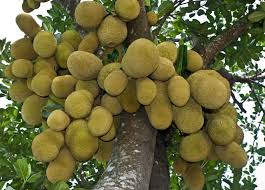 ine and vitamin B6, the best Jackfruit or Artocarpus heterophyllu is of the fig, mulberry, durian, and breadfruit family Moraceae.
She is the largest tree-born fruit, weighing as much as 35 kg (80 lb), 90 cm (35 in) in length, and 50 cm or 20 inches in diameter per fruit.
The Jackfruit tree whose wood is preferred for the making of musical instruments can produce up to 200 fruits per year, a potential 500 kilos of fruit per year, per tree.
The Jackfruit is a sweet delicious mango, pineapple, apple, flavor, and dehydrated or frozen it is the best candy ever, much better than a fruit roll-up or ice-pop.
“Jackfruit, A Royal Fruit, Insanely Productive Miracle Tree Whose Wood is Preferable For the Making of Musical Instruments.”
In Tamil Nadu, India the jackfruit is referred to as one of the three ‘royal fruits,’ along with banana and mango, for their sweetness and flavor. This triad of fruits is referred to as ma-pala-vazhai.
Jackfruit is a powerful food that replenishes energy and revitalizes the body instantly, and the fruit feeds muscle and joints too – let me tell ya.
Jackfruits can be dried, fried, roasted, best fresh, used in jams, juices, ice cream and we are lucky to have so many of them close to us in Bocas del Toro, Panama.
Some chicken with fried jackfruit string part toppings had become a perfected masterpiece for a brief chapter by one of the farm’s gracious contributors, a character who worked diligently with the fowl and lusted heavily after the fruit.
“Could almost run this farm with the kids that will line up and do tasks or handstands on end, for the delicious frozen jackfruit bells, that are about the best natural popsicle fruit treat I have ever had myself. Make it fun by waiting to tell them that it’s from a tree, and trick them by saying it’s one of Willy Wonka’s new secret treats you have on exclusive order.”
The Jackfruit seed is also a great food boiled or powdered into a flour, and also boiled and sliced as a salad topping or stir fry ingredient. I did a mashed potato style boiled seed mix with butter and it was great!
It is one of the rare fruits that is rich in B-complex group of vitamins. It contains very good amounts of vitamin B-6 (pyridoxine), niacin, riboflavin, and folic acid.
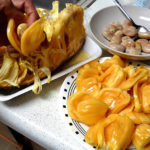
The stringy materials of t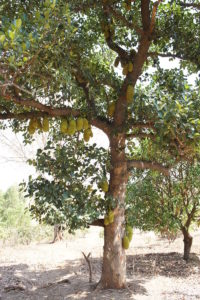 he jackfruit can be fried and the core can be boiled and chopped down into a natural epoxy glue.
The entire tree has a known traditional use, it should be considered for any tropical permaculture or food security interest. She is is an integral part of my new permaculture design concept ” guerilla permaculture.”
The Jackfruit tree is thought to have originated in Asia (Southeast) or India and is the national fruit of Bangladesh.
Our Panama team here is blessed to be tutored by a permaculture legend, and just the most magnificent of old schoolers, here in Central America whose biodynamic wonder farm has around 25 Jackfruit trees among 500 other wonder species that he handpicked for his island paradise just minutes away from our home base.
Today I start the Jackfruit thread, it is Thanksgiving and we are thankful for our teacher (not sure he wants his name mentioned), and all of the fruit miracles that have become a part of our lives through his amazing work.
Jackfruit is a powerful food that replenishes energy and revitalizes the body instantly and has possibly had a positive joint tissue effect on a long time joint injury of mine.
Sting-less bees like the Tetragonula iridipennis here in Central America are the jackfruit pollinators, and as such, play an important role in the super fruit’s cultivation – you will see them hovering around the ripe jackfruit.
Around 300 B.C., the Greek philosopher Theophrastus wrote: “There is also another tree which is very large and has wonderfully sweet and large fruit; it is used for food by the sages of India who wear no clothes.”
The tree once established for five to seven years is a very low maintenance high production tree that is fun to climb. After seven years it can live in the jungle for a very long time.
Jackfruit meat from the green state of the food has become a popular vegan bbq sandwich make.
Let’s check out how you can get some of the best Jackfruit.
JACKFRUIT RANKINGS
1. Buah Dried

A new contender in the line up of dried products so far well-liked. Well priced and just recently ascended to number one in our ranking based on high overall percentage scores, and our own taste testing!
Another recent customer warned, “These Things Are Delicious and VERY Addictive!”
Notice the product uses canola oil.
2. Sincerely Nuts

Order from one to five-pound bags of dried 100% Royal Fruit bells.
3. AROY -D Fruit State Jackfruit

For those like me who really enjoy the fruit state, this product features the jackfruit bells in syrup. A 6 pack of 20 oz cans this product is priced well within the market price and held up the best jackfruit rating for similar products among competitors.
4. Antioxident Chews

Combined with ginger, and turmeric, these road snacks make for a healthy option for the family trip, or the lunchbox.
Rich in antioxidants, anti-inflammatory properties, dietary fibers & B-complex vitamins. The perfect dried fruit snacks for kids & adults alike!
These snacks are some of the highest reviewed!
5. Upton

All the way from the small farmer of Thailand. Highly recommended for the vegan or vegetarian bbq sandwich replacement.
6. Chaokoh – In Syrup

A great way to get the royal fruit if you ask me.
Net Wt: 20oz (565g) Drained Wt: 8oz (230g)
7. Tropical Fields Dried Jackfruit

For those who are looking for the backpack pouch, this product from Thailand one of the largest producers of the jackfruit is a great well-reviewed product and has the most consistent operability among the small list of providers for products from this rare fruit.
8. Organic Dried

Amazon Choice product with over 300 happy customer reviews. Get 2 ounces 3 and 6 pack packs for you ruck sac, or get one-pound bags for the pantry. I would add a pound of this stuff to my pack too on second thought, but that’s me – I love this stuff.
9. Edward & Sons

This is the green state of young fruit and it has over 260 happy orders. A good bulk for the sloppy jack bbq and like recipes.
10. Vinamit

Newer product but all customers so far happy ones!
11. 11 lbs of Jackfruit Slices by Presto
This is the bulk buy in the best food state for this particular delight (dehydrated), for U.S. consumers where the fruit is not produced. A great trail mix and trail snack, it the perfect addition to ND diets that want to pep up on joints and the energy and include the Jackfruit essence in the microbiome. This the best jackfruit buy.
Dehydrated jackfruit, is a great way to keep it over time and tastes better than fruit roll-ups by like 500000%. Vitamin B6 and thiamine concentrate, great for keeping steady testosterone production supportive nutrients in the system. The mineral and carbohydrate content of the seed is significant, and powdered seed flour and dehydrated fruits are easily mixed into Nutritional Diversity organizer containers.
JACKFRUIT BENEFITS
Jackfruit is a rich source of antioxidants and dietary fiber which makes it vitality fruit as we like to say. The fruit promotes both regularity and immunity and helps the machine to run clean. Jackfruit is rich in nutrients including carbohydrates, proteins, vitamins, minerals, and phytochemicals. Preclinical studies have shown that Artocarpus heterophyllu possesses antioxidant, anti-inflammatory, antibacterial, anticarcinogenic, antifungal, antineoplastic, and hypoglycemic, wound healing effects.
Despite all these benefits, the Royal fruit is underutilized. [1]
Clinical studies have also shown that the decoction of the leaves possesses hypoglycemic effects in both healthy individuals and non-insulin-dependent diabetic patients. This could be a coagulant effect such as with the noni leaf. Phytochemical studies have shown that jackfruit contains useful compounds like the flavonoids, sterols, and phenylalanine which may have been responsible for the various pharmacological properties.
The bark, roots, leaves, and fruit are attributed with diverse medicinal properties and are used in the various traditional and folk systems of medicine to treat a range of ailments. [2]
The highly adaptable species has been through many changes and today continues on with a diverse spectrum of strains. Many times it can be noticed when there is a high level of likely human-initiated changes, the product is very rich in things that support man’s performance. [3]
Also, different chemical constructions exist at different stages of maturity. [4] Constituents change again if cooked. [5] Nice if you have the trees…
Studies indicate the Royal Fruit seed, is an acceptable staple starch that can be consumed at length. [6]
The shell as a powder even shows to be a super nutrient, without side effect in pioneer studies. [7]
Resveratrol, now looked at as largely important to anti-aging science, is found in the largest fruit. [8]
JACKFRUIT SIDE EFFECTS
Could cause a transient decrease in sexual activity. A good idea here could be to mix with Damiana, which is a fantastic mix by the way. Another idea to counterbalance this a cordyceps supplement or ashwagandha.
Latex from jackfruit can be hard to come out of clothing.
JACKFRUIT EXPERIENCE
The jackfruit tree although cultivated for over 6000 years, is easy to grow and very productive with valuable wood to boot; is oddly passed up by the local population here in Panama. It is much more popular in Costa Rica. Outside of a personal farming relationship with a Master, like ours, Jackfruit fresh off the tree is fairly rare and hard to get a hold of, at least I have never had this access to it before nor had I had it ever before here- ever.
Here we have around 16 baby trees that would be cool to reforest some of an area that some selfish idiots cleared in attempted to land grab recently. They ignored monkeys yelling at them for weeks. I had no idea, they were completely clearing on the other side of the hill where the saw was too low to hear. We chased them off – out of a neighborhood of 20 homes here, we were the only ones who helped this piece of land, a good bit away, that the howler monkeys hovered over and cried about loudly for weeks!
Jackfruit tree wood, is a high quality, rot-resistant, beautiful timber, the softer of which is also used for boat making.
It is rich in dietary fiber, which can make it a good bulk laxative in high quantity. The fiber content helps protect the colon mucous membrane by binding to and eliminating cancer-causing chemicals from the colon. Certain studies show that heavy Jackfruit consumption could treat colon issues.
Jackfruit is a big part of our highly diverse diet here in the tropics, and we cherish it dearly.

The fresh fruit is a good source of potassium, magnesium, manganese, and iron. It is also another great natural food to help regulate a healthy and optimal cardiovascular state. With about 95 calories in about half a cup, they aren’t quite as high carb or caloric as staples like rice or corn.
Jackfruit has a lot in it to support natural testosterone production, and regulate a healthy blood flow making it another athlete’s choice. The tree represents power and productivity in many ways and has been named in many studies and ideas relative to hunger crisis help and nutritional solutions to help pull up poor communities.
Like the plantain is used in its green state for patacones (fried smashed green
plantain), boiled and made into a mash, the green jackfruit has been historically also harvested green and boiled into a nice edible state. In Indonesia, young jackfruit is cooked with coconut milk as gudeg. In many cultures, the young fruit is boiled and used in curries as a staple food. In northern Thailand, the boiled young jackfruit is used in the Thai salad called tam kanun.
Rich indigestible starch, protein, and minerals jackfruit seeds are a handy ingredient to a good Nutritional Diversity diet.
The seeds can be dried for storage and can be roasted also for inclusion into a nice trail mix, I am experimenting with honey, sesame seed roast topping.
Jackfruit seeds can also be boiled or soaked and made into a nice mash potato like puree, high in protein.
Today for Thanksgiving we will have mashed jackfruit seeds and mashed potato mix with butter and nice turkey gravy!
The seed is also powdered and can be used as a flour in baking, a healthy alternative to other flours.
Like with the starchy tuber of the cassava plant, a potential bio-plastic could be created from the jackfruit seed. [6]
I may have discovered while working at one site, with rainwater collection, the direct-to-tank quick system that the mineral content of the jackfruit’s seeds is something able to re-mineralize a mineral low water system, a common effect of consuming un-grounded water rainwater supplies or distilled water supplies.
Being that jackfruit seeds are handy to carry items I also keep a few cup fulls in my pack’s emergency trail rations or trail mix for this reason.
Jackfruit is a muscle-building, small tendon-supportive, miracle food. I 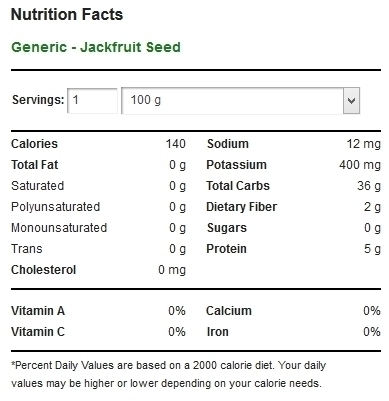 was taking a few things at once trying to repair an elbow injury my first year eating this regularly but it was one the fastest repairs and it did seem to be in large part due to the jackfruit consumption.
I am back at the Jackfruit having, miracle farm with the Angel Army Capitan Jeremy and his little brother, and consuming it again heavily (September 1, 2017) and already I can feel some tendon strain I had the last week, after turning up my workout regimen; week three in yet another dedicated climb after two days off about a half a 50lb fruit and I was healed up again.
It is having a direct muscle supportive effect also on muscle build. I am studying these effects using the incremental isolated food testing techniques and staying with their use over time.
Topical Application
Consumption of jackfruit regularly is also very healthy for the skin.
I have always thought that a great skin cream for boxers could be made from pulp, as the latex properties in jackfruit help very much with skin durability also when applied topically.
Consumers of jackfruit will notice that much of the fruit consumed goes directly to the skin, without the need for topical application, and that there is also a slight change in the body’s aroma after consuming large amounts of jackfruit.
The skin organ is the large very important coverage of the body. Jackfruit is great for the skin. One thin

Philippines dessert containing jackfruit
g to consider about skin health is that with chemicals in soaps, shampoos, conditioners, many skin creams and sunblocks, city water supplies, etc. Relaiozations have been made regarding the harmful;l effects commercial products have had on the skin and general health through skin creams.
The skin is likely fighting to maintain optimum health while being hard water showered and chemically soaped each day, and other shell-related things that are creating a drag on human optimization and athletic processes.
Relieving this drag is important, and Jackfruit is well consumed and applied topically in addition to avocado, and coconut oil.
{x}
JACKFRUIT DISCUSSION
Consume jackfruit with other foods, as it turns up digestion and uptake a notch. Not only for skin but in combination with avocado, jackfruit is a great ingredient to one’s Nutritional Diversity, for leaning down – if consumed in small rations throughout the day.
The last farmhand and I, made a great burrito filling out of the seed, and the fried strings. The seed was a good addition to the sour cream and the fried strings made a tasty loader. We did the strings in olive oil. We made the tortillas with yucca flour. You could almost call them anti-cancer burritos!
I think the jackfruit seed paste we made would be a good base for a spicy red hot sauce, a good dip for vegetable platters, and also for fajitas.
Dehydrated stuff certainly is a plus for any diverse trail mix, and this is a great gift for loved ones or someone about to embark on a journey!
JACKFRUIT FAQ
Q. Is jackfruit a cancer cure, does it prevent or treat colon cancer?
A. Several studies do indicate the “big yellow,” as great protective to the digestive tract mucous membrane and also the potential to remove toxic cancer-causing elements from it. Rich in phytonutrients – elements that protect bloodstream flow, and maintenance which in itself is cancer preventative.
Q. Does this stuff help joints?
A. It helps mine! It has good amounts of selenium, and calcium while green, and this likely why it is selected as a meat substitute. Between these and latex it would seem to me this particular superfood could be very helpful for joints.
Q. What is a good starting amount (daily) for someone interested in the NDdiet concept and wants to make sure to get a MED while not exceeding the necessary in this expensive exotic species?
A. I would say 2 to 10 cups, depending on size and depletion (exercise), or 1 cup for every 25 pounds of body weight.
Q. What is your (the authors) favorite thing about them?
A. That is a tough one! I would have to say looking up a pair of jackfruit trees.
Q. Where is jackfruit originating from?
A. Widely distributed in south and southeast Asia, jackfruit tree origin has not been clearly delineated.
Q. What form of jackfruit plant is it?
A. Jackfruit trees reach heights of 10 to 20 m (33 to 66 feet) and trunk diameters of 30 to 80 cm (12 to 31 inches). The jackfruit tree bark is reddish-brown and smooth.
Q. What well known nutritional properties do jackfruits possess?
A. Jackfruits are noted for their antibacterial, antifungal, antidiabetic, anti-inflammatory, and antioxidant properties.
Q. Is it true that jackfruits help to combat arterial vascular illnesses?
A. Jackfruit contains compounds that are capable of alleviating various diseases such as high blood pressure, heart diseases, strokes and jackfruit is rich in potassium which aids in bringing down blood pressure and reversing the effects of sodium that triggers a rise in blood pressure that impacts on the heart and blood vessels.
Q. How does jackfruit look?
A. The leaf blade is wide and ovate in shape and leaves are alternate. The fruits grow on a stem on the trunk and have a hard, gummy shell with pimples surrounded with tubercles.
Q. When does the jackfruit plant blossom?
A. The jackfruit flowers start blooming from December until February or March.
Q. What kind of nutrients jackfruits also contain?
A. Jackfruits have a rich portion of vitamin C, which aids to fight the aging process.
Q. What varieties of uses exist for jackfruit trees?
A. The timber with the good grain is used for building furniture and house construction in India. It is said to be termite-proof and its quality is better than that of teak for furniture making. The wood is also good for material to fabricate musical instruments.
Q. Does it contain nutrients that give benefits to muscle and nerve as well?
A. Jackfruit is known to contain niacin which is necessary for energy metabolism, nerve function, and the synthesis of certain categories of hormones.
Q. Does jackfruit also have anti-cancer properties?
A. Studies have suggested that the jackfruits have compounds with properties to lower the mutagenicity of aflatoxin B1 and proliferation of cancer cells and the jackfruit flesh also composes of compounds that may be capable of stopping or treating lymphoma cancer.
Q. How long does jackfruit take to mature?
A. The fruit matures during the tropical rainy season from July to August.
Q. What other good benefits does jackfruit give to bodies?
A. Jackfruit has ample amounts of fiber which helps in digestive function and acts as good roughage and laxative.
Q. What is the nutritional profile of jackfruit?
A. The pulp contains 74% water, 23% carbohydrates, 2% protein, and 1% fat. Per 100-gram (3 1⁄2-ounce), raw jackfruit supplies vitamin B6 (25% daily value). It has moderate levels (10-19% daily value) of vitamin C and potassium.
Q. How does jackfruit help in diabetic patients?
A. Scientific research studies have also indicated that the hot water extract of jackfruit leaves play a big role in ameliorating glucose tolerance in the studied subjects and the diabetic patients when given at oral doses roughly of 20 g/kg.
Q. Which countries account for most jackfruits production?
A. In 2017 alone, India topped production of 1.4 million tonnes of jackfruit, followed by Bangladesh, Thailand, and Indonesia.
Q. What culinary value is jackfruit renowned for?
A. Jackfruit can be used to make a variety of dishes, namely, custards or cakes, or even mixed with shaved ice. The fruit is mixed with rice and jackfruit leaves are used as a wrapping for steaming. The seeds from ripe fruits are also consumed and may be boiled, baked, or roasted to make desserts.
JACKFRUIT RECAP
Great for friendly stingless bees Tetragonula iridipennis who in return pollinate the species.
Fiber, folate, resveratrol, b spectrum, vitamins, thiamine, vitamin C are the highlight nutritional elements, and quickly nutritionists can see why it is a performance food.
Latex epoxy naturally within the fruit of the tree desired for wind and string musical instruments, that produces up to 500 kilograms a year in delicious yellow or orange bells.
It is used as a vegetarian or vegan meat replacement and other culinary uses as green unripened meat.
Get big by eating big fruit 😀 Get Jacked on Jackfruit 😛
Just give me the best jackfruit product, please.
RELATED MATERIAL
[et_bloom_locked optin_id=optin_4]
Originally Published Nov 24, 2016 @18:28, Updated September 1, 2017, March 26, 2017, October 26, 2019, November 17 2019, Feb 3, 2020 July 12 2020

Agriculture
NUTRITIONAL DIVERSITY SUPPLEMENTS
ND Supplements
Best Ashwagandha Rankings, Benefits & Experience
The best ashwagandha is one of the most famous and central of Ayurvedic herbs, and for good reason. The odor of horse (‘ashwagandha‘ translated). Withania somnifera, known commonly as ashwagandha, Indian ginseng, poison gooseberry, winter cherry, or urine of the cows, is a plant in the Solanaceae / nightshade family.
Ayurveda, roughly translated into “Knowledge of life”, if which the magic herb is center in therapeutic measures to boost physical, mental, social, and spiritual harmony in order to improve the total quality of life. [x]
Several other species in the genus Withania are morphologically similar, which means at a microscopic, or not level, the anatomy or structure of the plant closely resembles that of other plants, in this case in the nightshade family.
The tomato is of the nightshade family. Cucumbers and peppers, too. ND normally goes very light on nightshades; peeling and de-seeding are very important with them because of the ‘lectins’ they carry. These lectins are proteins that act as splinters to sugar molecules that together create toxins that dull performance and cause signs of aging. The *could be bypassed by leaf-only consumption.
There are many a processes involved with eating from the garden, and they should be. It is like a video game after a while, trying to find the hidden way and unlock the power of nature and her armada of trillions upon trillions of species that work together as a divine organ playing the tune of life. We will never understand it all in this lifetime.
Ayurveda is the oldest surviving written system of healing and optimization. Popular herbs in today’s culture, such as the popular 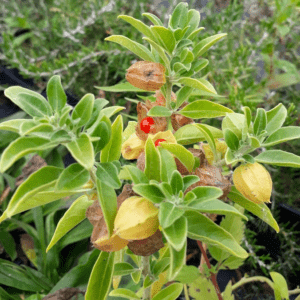 root of turmeric or cousin ginger, are two other plants of the same family with similar morphological benefits.
The ND Sciences Group has been using each of them for temporary use treatment, not for regular use treatment.
The use of the best ashwagandha in Ayurvedic medicine extends back over 3000 to 4000 years to the teachings of an esteemed rishi (sage), Punarvasu Atriya.
It has been described in the ancient principle sacred texts of Ayurveda, including the Charaka and Sushruta Samhitas.
Ashwagandha is also used as an “adaptogen” to help the body cope with daily stress, lower blood pressure and as a general tonic to improve immunity.
Many don’t realize that when certain plants are used together they can unlock a new level of effectiveness.
Oftentimes these ‘together’ effects can be unlocked through the use of other plants such as the best hot peppers, other peppers, and black pepper.
Withania somnifera has been a principal ingredient in many herbal remedies and green juices, throughout time.
Let’s check out the best ashwagandha we can order up today and get it into our system tomorrow!
ASHWAGANDHA RANKINGS
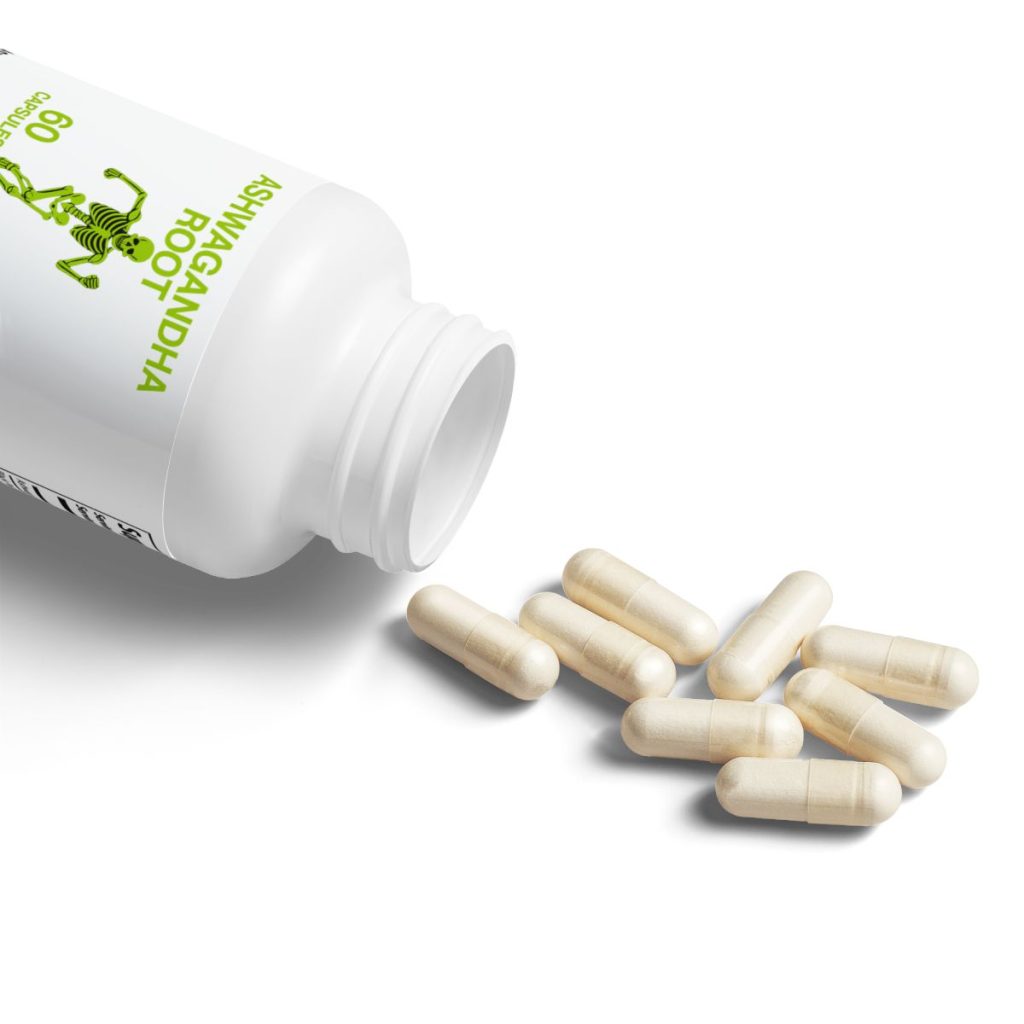
BEST ASHWAGANDAH BY NUTRITIONAL DIVERSITY
ASHWAGANDHA BENEFITS
Treats Alzheimer’s and other neurological conditions, effects of HIV. [1,a]
A maximum stress relief agent, [2,a] and even a sleep-inducing aid. [3]
Striking antioxidant properties are contained in the miracle herb. [4]
Like the best gotu kola, the herb acts in many ways as a brain cell protector, displaying anti-cancer actions and compounds have neuroprotective effects against glutamate insult, a potential that may serve as a great supplement for brain health. [5,a,b] Also as a strong general anti-anxiety and oxidative stress reducer [c]
Anti-cancer activity is a main study of the best ashwagandha herb, and has been known as a cancer medication for a long time. [6,a,b,c] Key essence known as Withanone.
Hello ladies, the abracadabra vowel arranged herb enhances sexual function, atop all these other things. [7] The shrub has enhancing effects on the reproductive system overall. [8]
Also like gotu kola, the best damiana and many medicinal shrubs of her type, ashwagandha can be helpful to insomnia and nonrestorative sleep (NRS) issues. [9]
The Ayurveda staple even helps regulate correct body weight. [10]
Important brain activity changes have been noticed and evaluated in a really interesting study whereas mice were dosed with Scopolamine, an alkaloid from the Datura flower I have a little experience with that of many things that cause amnesia. Withania somnifera, the hopefully memory restoration ingredient. [11]
The blessing is anti-aging, and anti-free radical. [12] She is packed with serious vitality enhancing substances and steroidal compounds have been extracted from her seeds. [13]
Cognitive functional improvements and reaction time improvements have been well known for the power herb. [14,15]
The superfood has been the focus of regenerative health possibilities is an ongoing track of study. [16]
Glutamate neurotoxicity a cause of some stroke, head trauma, multiple sclerosis, and neurodegenerative disorders has pointed a search for herbal remedies. [17]
In the traditional system of medicine in India, the magic herb has been used to treat rheumatoid arthritis. This could surely be helped further by the addition of turmeric. [18]
The magic plant is traditionally used in treating epilepsy, depression, arthritis, diabetes, and palliative effects such as analgesic, rejuvenating, regenerating, and growth-promoting effects. [19]
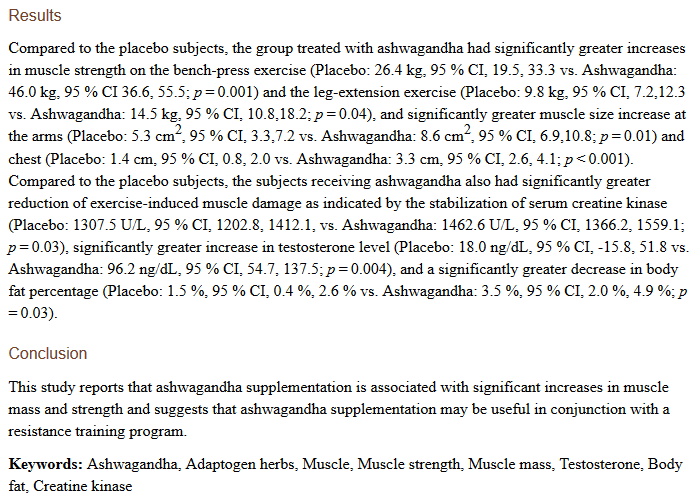
examine the possible effects of ashwagandha root extract consumption on muscle mass and strength in healthy young men engaged in resistance training.
A great 8-week, randomized and prospective, double-blind, placebo-controlled clinical study using 57 young male subjects 18–50 years of age, with basic experience in resistance training who were then randomized into magicherbtreatment (29) and placebo (28) testing groups.
Testers in the ‘treatment’ group consumed 300mg of withania root extract twice daily, while the control group ate starch placebos.
This study reported that ashwagandha supplementation is concretely associated with and supportive of significant increases in muscle mass and strength and concluded suggesting that ashwagandha supplementation may be a powerful add-in fop a resistance training program. [20]
Overall vitality study finds in this 16-week, randomized, double-blind, placebo-controlled, crossover effects on fatigue, vigor, and steroid hormones middle-aged men, that 8 weeks of supplementation with an ashwagandha extract {Shoden beads, 600 mg daily delivering 21-mg withanolide glycoside} was indeed associated with significant improvements in salivary DHEA-S and testosterone production. [21]
An in-depth study on withania suggested her as a valuable natural drug for the treatment of cancers specifically carrying a p53Y220C mutation, which are the large majority of them. Using molecular docking tools and bioinformatics, they were able to test the herb against tumor suppressor p53 protein who is frequently mutated in a large majority of cancers. [22]
General wellbeing, sleep, and mental alertness during the day for elderly individuals is improved through the best ashwagandha supplementation of 600mg of extract per day. [23]
The herbs popularity also comes from the treatment of epilepsy, depression, arthritis, diabetes, and palliative effects such as analgesic, rejuvenating, regenerating, and growth-promoting effects. [24]
ASHWAGANDHA SIDE EFFECTS
Headache, sleepiness, and stomach upset have been reported in clinical studies when doses become very high. Remember to start slow with all things, rare allergic reactions are always possible.
Withania somnifera is regarded generally as very safe. [x,x]
ASHWAGANDHA EXPERIENCE
I use the shrub as much as possible, it grows at certain locations I visit it frequently. I am new to knowing her personally.
Ashwagandha ‘s History & Modern Use
Traditionally, ashwagandha has been given as a nerve tonic and adaptogen, which means as an agent to helps people adapt to various emotional and physical stressors.
It was classically used in India for nearly 5,000 years for conditions such weakness and debility in old age, hardships while young, constipation, insomnia, nervous conditions, stress, goiter, joint inflammation, parasites, hormone balance, and rheumatism – sort of a cure-all bring the overall system up herb. Good Nutritional Diversity diet plans want as many species with that feature as they can get in.
In old days a paste even made from the ashwagandha root, powdered then applied topically as a treatment to boils, cancers on the skin or gums, and other health threatening-looking tissue.
Ashwagandha is known to help people strengthen their immune systems after illness, chemotherapy, and surgery. It is a highly effective, evidence-based remedy to help reduce levels of stress and anxiety by lowering cortisol levels, and a plethora of other ways, to reach the end goal.
The scientist is quick to point out the presence of triterpene lactones, withanolides, withaferin A, alkaloids, steroidal lactones, tropine, and cuscohygrine, and other relatively powerful and recognized plant essences and chemicals realized form the laboratory dissection of the plant – something that in the pursuit of healing and performance anyway, is not necessary.
Alternative Use of Ashwagandha
Now people have matched the magic herb to a stack of conditions such as arthritis, anxiety, bipolar disorder, attention deficit hyperactivity disorder (ADHD), balance, obsessive-compulsive disorder (OCD), trouble sleeping (insomnia), tumors, tuberculosis, asthma, a skin condition marked by white patchiness (leukoderma), bronchitis, backache, fibromyalgia, menstrual problems, hiccups, tumors, tuberculosis, asthma, a skin condition marked by white patchiness (leukoderma), Parkinson’s disease, and chronic liver disease. It is also used to reduce the side effects of medications used to treat cancer and schizophrenia.
Like ginger, ashwagandha is said to reduce fat and sugar levels in the blood. A very similar list seems addressed by another shrub the same size; Ambrosia.
The soft two and a half foot shrub sometimes with small berry, is easy to grow in pots, and around the permaculture farm in sunny to partial, in dry stony earth. It has fury leaves and green parts and grows the orange to red fruit inside of a case that looks like the roof of the Kremlin, made from linen.
ASHWAGANDHA DISCUSSION
We ranked the best ashwagandha Withania somnifera, supplements to asses real source quality, refer the potent medicinal herb to clients as an alternative to other substances and to further our studies of plants and plant nutritional effects across I wider range of experiment and examination.
We looked hard at the warm looking herb whose fruits come in Kremlin-like domes that really help aerate and nutrify soil mixes, and we took time to consider what factors were important, and what factors were not while selecting the best Withania somnifera, herb source.
This is done by our company because we think one day the referrals could help us to provide this cutting edge information and because we need to find out and refer only the best product to our group of readers.
The Withania somnifera, is very applicable to the ND food combinations and ratios we have been working on in the last few years. She fits right in. We mark her high, on the demand list for our clients, permaculturists, athletes and general followers.
This is one of the ones we have spent a lot of time on.
Third-party testing of the substances available was required for ranking in this particular recommendation.
At least one hundred positive user statements are materials were the second requirement we had in this eval.
Anytime there is a good combination herb or benefits for any given substance we are sure to make mention of that. In this case turmeric for arthritis maybe jackfruit too, and damiana and or mango for energy and sexual performance and function restoration, gotu kola or dormilona (which acts more as a stimulant for me personally) for sleep and insomnia, and papaya for high-octane digestive capabilities and ginger for blood management. Black pepper, hot pepper, salt, oils and avocado can always improve uptake.
ASHWAGANDHA FAQ
Q: What is the best ashwagandha combination ND research is aware of?
A: The best damiana. The combination can be too much for some. Go slow. Haste makes waste.
Q. Can ashwagandha help me lose weight?
A. It can. If your body reacts to stress by gaining weight either through metabolic changes or through changes in appetite, the best ashwagandha can help immensely by helping to decrease stress.
Q: Does ashwagandha conflict with other herbs?
A: Surely to some degree of conflict there are a few out there, but in contrast thinking towards diversity and that natural lesson, the combinations we have found are the real focal point for this diva.
Q: Why the singing references?
A: Everybody is singing something no? I prefer honest songs. That is guaranteed in the plant world, and “if you grow them then you can know them.” They are always up for that, and they are always honest what more can you want?
Q: Is ashwagandha a topical herb?
A: One way to find out. Try it. To really get anywhere with nutrition one must remain forever experimental. Safe and logical but not totally in fear – this will get you nowhere. Fear is the Black Hole. Remember that. We will get back to you on this.
Q. What plant family is ashwagandha a member of?
A. Ashwagandha is a plant in the Solanaceae or nightshade family.
Q. What form of ashwagandha plant is it?
A. This ashwagandha plant is a short, tender perennial shrub attaining a height of 35–75 cm (14–30 in).
Q. What well known medicinal properties do ashwagandha possess?
A. The plant, particularly its root powder, has been used for centuries in traditional Indian medicine.
Q. How does ashwagandha look?
A. The ashwagandha plant has hairy branches extending radially from a central stem. Leaves are dull green, elliptic, size of which is up to 10–12 cm (4 to 5 in) long. The bell-shaped flowers are small and greenish. The fruit is orange-red.
Q. When does the ashwagandha plant mature and ready to be harvested?
A. Ashwagandha is ready to harvest in 5 to 6 months when flowers and berries start to form and leaves begin to desiccate.
Q. What kind of substance do ashwagandha also contain?
A. Ashwagandha contains withanolides, withaferin A, alkaloids, steroidal lactones, tropine, and cuscohygrine. Notably, withanolides are structurally similar to the ginsenosides of the ginseng family.
Q. What conditions are favorable for ashwagandha plants?
A. Ashwagandha is a drought-tolerant plant and grows in dry soil, once put down. Ashwagandha grows best when the temperature ranges between 70 F – 95 F (20 – 35 C).
Q. How does ashwagandha fame come about?
A. Ashwagandha is an important herb in Ayurveda, which is a form of alternative medicine based on Indian principles of natural healing.
Q. Does ashwagandha support heart health?
A. Ashwagandha has been shown to induce cholesterol- and triglyceride-lowering actions. This in turn will work for your heart, reducing cholesterol and lowering blood pressure altogether.
Q. What can ashwagandha do about the inflammation?
A. Various studies have been conducted and evidence has been pointing to that ashwagandha helps decrease inflammation by increasing the activity of natural killer cells.
Q. What other good benefits does ashwagandha give to bodies?
A. In studies, it has been shown that ashwagandha had boosted greater gains in muscle strength and size, while reducing in body fat percentage when compared with the placebo group.
Q. Does ashwagandha impact positively on male fertility?
A. It has been reported that ashwagandha increases testosterone levels and largely enhances sperm quality and fertility in men.
Q. Does ashwagandha possess calming effects?
A. Ashwagandha has been demonstrated to fight stress and anxiety in animal and human studies.
Q. Are there precautions for ashwagandha use?
A. Ashwagandha is a generally safe supplement for most people. Since its long-term effects are unknown, pregnant and breastfeeding women are advised to steer clear of its use. Autoimmune-deficient individuals, such as those who suffer from conditions like rheumatoid arthritis, lupus, Hashimoto’s thyroiditis, and type 1 diabetes should also consult with doctors before using it. It also has the effect of decreasing blood sugar and blood pressure levels, so medication dosages may need to be regulated if one takes it.
Q. What is the dosage suggested for taking ashwagandha supplement?
A. The common root extract is usually taken in 450–500-mg capsules once or twice daily.
ASHWAGANDHA RECAP
The best Ashwagandha is brain food and brain protectant.
She another anti-cancer wonder plant, and helps with overall female reproductive systems.
The magic herb may help arthritis. Use with turmeric.
She takes care of some stress too and can sing a song for insomniacs. Stabilize mood and anxiety.
This adaptogen helps people immensely with harsh, extreme, and difficult changes.
Throw some leaves from the magic herb and berry wonder in your water pitcher.
Great all-natural science-backed boost for muscle strength and recovery, as well as mass building.
Just give me the best ranked.
ASHWAGANDHA RELATED MATERIAL
Additional References,
- Deocaris CC, Widodo N, Wadhwa R, Kaul SC. Merger of Ayurveda and tissue culture-based functional genomics: inspirations from systems biology. J Transl Med. 2008;6:14
- Wermuth CG. Multitargeted drugs: the end of the “one-target-one-disease” philosophy? Drug Discov Today. 2004;9:826–827. doi: 10.1016/S1359-6446(04)03213-1.
- Patwardhan B, Warude D, Pushpangadan P, Bhatt N. Ayurveda and traditional Chinese medicine: a comparative overview. Evid Based Complement Alternat Med. 2005;2:465–473. doi: 10.1093/ecam/neh140
Originally Published Oct 19, 2019, Updated April 4 2013, Apr 4, 2020
Special Elements
Best Hot Peppers, The Many Benefits, Rankings, Side Effects & Experience
𝕻icante, or spicy hot peppers are not as popular here in South America, as they are in my hometown of Albuquerque, New Mexico,

Albuquerque Hot Air Balloon Fiesta, State Flag Balloon
which is also the hometown of the #1 International Fiery Foods Festival and also the more famous International Hot Air Balloon Fiesta.
Hot peppers have been used, cultivated, and cherished since man existed. Mostly for a good purpose, sometimes for bad.
Right away with athletic performance clients, I make sure a fiery food practice is employed. If you want a strong system overall, and you are asking me, you want to start training or progress as significantly as possible in your ability to eat the best hot peppers.
Once you have the skill it’s one you won’t want to lose. They say once you can’t take it anymore it’s hopeless you are without the spice and that’s not good.
The best hot peppers are superfoods. If you are one of the ones that thought you couldn’t but want to get back into it just go slow and keep tomatoes and tomato-based sauces out of it in the beginning. The best olive oil helps.
The love of hot peppers, and the health benefits that have been realized and enjoyed strongly dispel the notions that, if it tastes good it is best for you, or that taste is an object of edibility.
Hot peppers, especially those containing capsaicin, can offer a wide range of performance, health, and toughness benefits when included in a diet. Here’s a breakdown:
Performance Benefits
- Improved Circulation: Capsaicin dilates blood vessels, enhancing circulation and oxygen delivery to muscles during physical activity.
Metabolic Boost: Eating hot peppers can increase metabolic rate, helping with fat burning and energy production.
Endurance Support: The adrenaline rush from spicy foods can enhance focus and stamina, potentially improving athletic endurance.
Pain Tolerance: Regular exposure to capsaicin may increase your pain threshold, which can be helpful in pushing through tough workouts.
Health Benefits
Anti-Inflammatory Properties: Capsaicin has anti-inflammatory effects, helping reduce chronic inflammation, which is linked to conditions like arthritis and heart disease.
Enhanced Immunity: The high vitamin C content in peppers supports the immune system, aiding in quicker recovery from illnesses or strenuous activity.
Heart Health: Capsaicin can lower LDL cholesterol levels, reduce blood pressure, and improve overall heart health.
Digestive Health: In moderate amounts, peppers stimulate the digestive system, improving gut motility and possibly enhancing microbiome diversity.
Pain Relief: Capsaicin can desensitize nerve endings, which is why it’s often used in topical pain relief creams. Internally, this can help alleviate mild discomfort and reduce chronic pain perception.
Anti-Cancer Potential: Studies suggest that capsaicin can help slow the growth of certain cancer cells by promoting apoptosis (programmed cell death).
Toughness Benefits
Mental Toughness: Eating hot peppers regularly can train your brain to handle discomfort better, increasing resilience in challenging situations.
Endorphin Release: The initial heat from peppers stimulates the release of endorphins, the body’s natural painkillers, creating a sense of euphoria and promoting mental toughness.
Adaptation to Stress: Capsaicin activates the same stress responses as physical exercise, helping the body adapt to and recover from stress more efficiently.
Cold Resistance: Regular consumption of spicy foods has been associated with increased thermogenesis, helping you tolerate colder environments more effectively.
Other Benefits
Weight Management: The appetite-suppressing effects of capsaicin can help with calorie control, aiding in fat loss or maintenance of a lean physique.
Antioxidant Protection: Hot peppers are rich in antioxidants like beta-carotene and flavonoids, which protect against oxidative stress and support overall health.
Including hot peppers in your diet in moderation can help you tap into these benefits, making them a potent addition to a health-conscious or high-performance lifestyle.
ABSTRACT
In the garden I have grown some habanero relative peppers, the Mayan relative pepper, a little round ‘tabasco’ pepper, and a few jalapenos in the mountains, which speak for the general idea in local peppers. There are many species of best hot peppers that do well here, and really most hot peppers can do well anywhere they are fed and attended to well.
The most well-known hot variety, although not so hot here anymore, are listed as ‘Mayan’ peppers, and they are larger peppers and look like the ‘Red and Green Chile’ in New Mexico that hangs on ‘ristras.’
New Mexicans have been eating these (our local version of that can be very hot) chili peppers that grow there for thousands of years. New Mexicans I know will tell you our pepper is from there in New Mexico brought directly from God and is the super, superfood of them all, and you will read in a moment how they really are!
The main idea in the migratory plant study is that the Mayan pepper is from the traditional Aji, and from that different cultivars evolved.
Concretely, in contrast, there is really nothing to assure that this idea is true, or that the idea of New Mexico’s Hatch Green Chili is a completely different insert ofa completely different pepper either.
Some have theorized that Hatch Green Chili peppers, the best hot pepper could be behind Albuquerque dominating the UFC.
Ideas of hot foods making hot heads in history are all theoretical. Mostly the thought was spicy food love started during specific cultures that practiced developing intentional pain tolerance.
Recently, phytoliths of garlic mustard seed (Alliaria petiolata) were found in carbonized food deposits on prehistoric pottery from the western Baltic dating from 6,1 k.a to 5,7 k.a cal BP (Ertebölle Complex).
This archaeological evidence suggests much greater antiquity to the spicing of foods than previously thought within a hunter-gatherer or ancient premise.
Garlic mustard a.k.a. Hedge garlic alliaria petiolata is an inconspicuous plant, found in clumps in the lighter forest, which belongs to the Brassicaceae family of plants. It is native to Europe, Western and Central Asia, and Northwestern Africa. The leaves, flowers, and fruit are of the species are all edible.
The fruit of plants from the genus Capsicum, members of the nightshade family, Solanaceae. The name comes from the Aztec language, Nahuati.
Lunch was good!
On our own we know that eating spicy foods activates en expulsion of mucus from the system, namely in the sinuses.
This is important cleaning, and many health theories such as Arnold Ehret, a Godfather to vegetable healing have been logically formed around mucus-lessness as the real code to staying healthy.
No pain no gain can be employed here, and one can do their own experiment with that. Eat a large number of strong peppers, and on the other side of the hurt, one will find that their system is clear.
Electrophysiological records in both peripheral and central nervous systems show that the primate sensory taste system is basically organized around two major clusters of fibers and their cortical projections.
Co-variations between the neural responses to various compounds were observed for sugars, on the one hand, and for tannic acids and alkaloids. Our human taste perception system is not essentially different from that of the other primates as far as the dichotomy allowing discrimination of noxious v.s. beneficial substances through taste; clearly in the case of hot peppers not so much, nor maybe in garlic, black pepper ginger or turmeric.
Interestingly we know that two of these hard-tasting miracles, turmeric, and black pepper, are more active together and this could be similar in hot peppers.
An increasing amount of evidence shows that animals such as insects, birds, and primates use plant parts with certain categorical compounds known as ‘secondary compounds’ to improve their comfort or their health.
The concept of self-medication now generally accepted in primates but also in other vertebrates was first proposed by D.H Janzen (1978), an ecologist at the University of Pennsylvania.
Liken to the spice, bitterness is normally suggested to represent a reliable signal of toxicity for animals and humans but a number of secondary compounds are bitter tasting (Saponins, Alkaloids, and some Sesquiterpenoids, Terpenoids and Steroid Glycosides) and many of these substances possess important pharmacological activity.
Garlic mustard produces a variety of helpful secondary compounds including flavonoids, defense proteins, glycosides,
Nutritionally Diverse, Spicy Lunch
glucosinolates, particularly Sinigrin, a breakdown product allyl- isothiocyanate (AITC) that reduce its palatability to herbivores.
The chili plant seed is broken down by humans and primates whose taste receptors are burned, but the bird’s digestive tract does not break down the seed nor does the bird spit it out, from any taste reaction because it does not have the primal dichotomy of dissemination as an obstruction to his interest in the seed.
The plant should be well propagated by the bird gardener members of a miraculous human-inspired permaculture somewhere.
Popular Science and many others have had a very difficult time deciphering the love of chili eating, but well recognized that many do love it, and to them, it’s a deep passion. Chili is still the word for the plant pepper as it was for the Mayans and the Aztecs who may have been the one who gave it that name.
“Acceptance of food depends not only on taste, but also on olfactory, tactile and visual signals, as well as memories of previous, similar experiences and social expectations. Food palatability and hedonic value therefore play central roles in nutrient intake. As a result, ancestral humans who liked spicy food—and therefore gained from its health benefits—might well have had longer, healthier lives and more offspring” (Nilius & Giovanni 2011)
Paul Sherman, a professor of neurobiology and behavior at Cornell University in Ithaca, New York has research that shows people in warmer regions of the world benefiting from eating spicier foods, because of the fiery peppers are natural antimicrobials.
Food-born pathogens and parasites are more populated in warmer climates, and spices can kill or inhibit their growth.
The spicy research presented in National Geographic (2005) sited that in the same region of Thailand one culture who eats blander foods, ( less spicy) does experience more diarrhea and infections.
Paul went on to find out that hotter cultures ate the hotter foods, and colder ones ate less spicey foods, interestingly the germ stopper is less popular where it is not needed, such as in cold climate places.
Albuquerque, nestled into the foothills of the Rocky Mountains, must be the exception.
Here are the rankings for the best hot peppers, you can order to your door.
HOT PEPPER RANKINGS
Heat Ranking
As of January 2025, here is a list of the top 20 hottest peppers in the world, heat ranked by their Scoville Heat Units (SHU):
Pepper X: 2,693,000 SHU
Developed by Ed Currie, Pepper X holds the Guinness World Record as the world’s hottest chili pepper since 2023.
Wikipedia
Carolina Reaper: 2,200,000 SHU
Created by Ed Currie, the Carolina Reaper was the previous record holder for the world’s hottest pepper.
Wikipedia
Dragon’s Breath: 2,480,000 SHU (unofficial)
Developed in the United Kingdom, Dragon’s Breath has an unofficial SHU of 2,480,000.
Wikipedia
Trinidad Moruga Scorpion: 2,009,231 SHU
Originating from Trinidad and Tobago, this pepper was once recognized as the world’s hottest.
Wikipedia
7 Pot Douglah: 1,853,936 SHU
Also known as Chocolate 7 Pot, this pepper is native to Trinidad and Tobago.
Pepper Johnny
Komodo Dragon: 1,400,000 SHU
Developed in the United Kingdom, the Komodo Dragon chili is known for its delayed heat.
Rockadoodledo
Naga Viper: 1,382,118 SHU
A hybrid chili pepper created in the UK by crossing three of the world’s hottest peppers.
Rockadoodledo
Ghost Pepper (Bhut Jolokia): 1,041,427 SHU
Originating from India, the Ghost Pepper was once the world’s hottest chili.
Rockadoodledo
7 Pot Barrackpore: 1,000,000 SHU
Part of the 7 Pot family, this pepper is known for its extreme heat.
Rockadoodledo
Infinity Chili: 1,176,182 SHU
Developed in the UK, the Infinity Chili briefly held the title of the world’s hottest pepper in 2011.
Rockadoodledo
7 Pot Brain Strain: 1,350,000 SHU
Known for its brain-like appearance, this pepper is a variety of the 7 Pot chili.
Rockadoodledo
Dorset Naga: 1,000,000 SHU
A variant of the Naga Morich pepper, developed in Dorset, England.
Rockadoodledo
Trinidad Scorpion Butch T: 1,463,700 SHU
Once the world’s hottest pepper in 2011, developed in Australia.
Wikipedia
7 Pot Primo: 1,473,480 SHU
Known for its long, skinny tail, this pepper was created by horticulturist Troy Primeaux.
Pepperhead
Chocolate Bhutlah: ~2,000,000 SHU
A cross between the Ghost Pepper and the 7 Pot Douglah, known for its intense heat.
Grow Hot Peppers
Red Savina Habanero: 350,000–577,000 SHU
Once recognized as the hottest chili pepper in the world from 1994 to 2006.
Rockadoodledo
Fatalii: 125,000–325,000 SHU
Originating from Central and Southern Africa, known for its citrusy flavor and intense heat.
Rockadoodledo
Scotch Bonnet: 100,000–350,000 SHU
Native to the Caribbean, commonly used in jerk seasonings and hot sauces.
HomeDiningKitchen
Bird’s Eye Chili (Thai Chili Pepper): 50,000–100,000 SHU
Commonly used in Thai and Southeast Asian cooking, known for its intense heat.
HomeDiningKitchen
Cayenne Pepper: 30,000–50,000 SHU
A staple in many spice racks, often used to add heat to dishes like soups and stews.
HomeDiningKitchen
Please note that the Scoville Heat Units (SHU) can vary based on growing conditions and testing methods.
Nutrient Density Ranking
New Mexico green chiles are a nutrient-rich addition to your diet, offering notable amounts of vitamins and minerals. Here’s how they compare to other hot peppers in terms of nutritional density:
Nutritional Profile of New Mexico Green Chiles
Vitamin C: A ¼ cup (57g) serving provides approximately 36 mg of vitamin C, fulfilling about 40% of the recommended daily value.
Eat This Much
Vitamin A: The same serving offers around 60 µg of vitamin A, accounting for about 7% of the daily value.
Eat This Much
Iron: Contains approximately 0.4 mg per ¼ cup, contributing to about 4% of the daily value.
Eat This Much
Dietary Fiber: Provides about 1 g per serving, which is 4% of the daily value.
Eat This Much
Revised Ranking of Hot Peppers by Nutritional Density
Considering the nutritional content of New Mexico green chiles, here’s an updated ranking:
Red Bell Peppers: Extremely high in vitamin C (169% DV per 100g) and vitamin A.
New Mexico Green Chiles: High in vitamin C (40% DV per 57g) and a good source of vitamin A and iron.
Habanero Pepper: Rich in vitamin C, vitamin A, and potassium.
Jalapeño Pepper: Good source of vitamin C, vitamin B6, and antioxidants.
Cayenne Pepper: High in vitamin A, vitamin E, and vitamin C.
Serrano Pepper: Contains vitamin C, vitamin A, and capsaicin.
Tabasco Pepper: Rich in vitamin C, vitamin E, and calcium.
Trinidad Moruga Scorpion: High in capsaicin and contains vitamin C and beta-carotene.
Anaheim Pepper: Good source of vitamin C, vitamin A, and moderate capsaicin levels.
Poblano Pepper: Provides vitamin C, vitamin A, and iron.
Incorporating New Mexico green chiles into your meals can enhance flavor while boosting your intake of essential nutrients, particularly vitamins C and A.
HOT PEPPER BENEFITS
Studies showed that eating spicy foods was the factor behind a 14% decrease in overall mortality, compared to folks who can’t take the heat [2]. Capsicum has positive vascular and metabolic effects, this makes it also very important to a Nutritional Diversity diet. [3] 💋
HOT PEPPER SIDE EFFECTS
Hot chili peppers can burn you, is several places, the worst one is the eyes or private areas. Make sure to wash your hands when handling the fire fruits. To some and depending on the current diet they can cause over-acidity.
HOT PEPPER EXPERIENCE
I am in the Caribbean right now, on an island in Panama known as Bocas del Toro, a great place for permaculture farming, where there are some famed hot sauces but it’s not necessarily somewhere I would send a firey food lover. Bocas sauce is hot, but not that hot, and it does have a mustard seed base. Barbados had some great hot stuff too.

There are a few hot sauces of weight here for sure and across Central and South America a few more. I have had some solid stuff, and there are surely some murderous hot peppers growing quite well here in the tropics, and proudly many types at our own small family farm.
HOT PEPPER DISCUSSION
Tough Guys Eat Spicy Food :
1932, the Soviet Union sent one of its best agents to China, a former schoolteacher and counter-espionage expert from Germany named Otto Braun.
His mission was to serve as a military adviser to the Chinese Communists, who were engaged in a desperate battle for survival against Chiang Kai-shek’s Nationalists.
The tale of Braun’s adventures in the Chinese Communist revolution is packed with enough twists and turns for a big-screen thriller. In the clutch of culinary history, one quote from Braun’s autobiography recalls his first impressions of Mao Zedong, the man who would soon go on to become China’s Emperor.
“The food of the true revolutionary is the red pepper,” declared Mao. “And he who cannot endure red peppers is also unable to fight.”
I love this story, and I believe the quote is accurate. I don’t let the young men around me off easy for eating a bland plate of food, and I will have my own hot something with me, even if their household is unprepared, always. “Real Tough Guys Eat Spicy Food,” is one of the things they may hear me say.
I know, coming from Albuquerque New Mexico, where we love our Green Chili more than our … it’s a long-lasting positive relationship that never goes bad.
I thought for the longest time there would be no way I could ever live without the stuff. It really was that important to me, I am close to finding some imports or doing a dedicated climate control space to grow some of my own here but sadly at this time I miss her.
I am able to find a few good hot peppers here in Panama though.
Science now finds connections to neurological and hormonal endorphin releases in the hot peppers as well as other reactions that affect our happiness and our senses in life.
The NAUTILUS company published an article last year (Andrew Leonard 2016) entitled “Why Revolutionaries Love Spicy Food,” which explains basically that firey people like firey food, and that there is a link between the chili pepper and risk-taking.

Christopher Columbus on Jan. 1, 1493, recorded in his diary, his discovery of the chili pepper, on the Caribbean isla of Hispaniola,“the pepper which the local Indians used as spice is more abundant and more valuable than either black or melegueta pepper [an African spice from the ginger family].”
A Sichuanese folk saying goes: “Spicy peppers are the meat of poor guys.” Sichuan people an already hot eating people were the main group that adopted the chili pepper significantly when Columbus first imported it to Europe and Asia. Poor guys are usually tougher guys.
The chili pepper plant is a strong grower, easy to cultivate, productive crop. High in A, B, and C’s vitamin spread of nutrition, sure to keep the body and immune system tough and ready.
Shark’s Fin and Sichuan Pepper, y Fuchsia Dunlop, an author of Chinese cookbooks, says that the region’s passion for spice is explained by the intersection between climate and traditional Chinese medicine: “In terms of Chinese medicine, the body is an energetic system, in which damp and dry, cold and hot, yin and yang, must be balanced.”
In the mid-70’s a study of the pepper craze in Oaxaca, Senior Rozin of the University of Pennsylvania determined that the act of eating chili peppers is an acquired taste in Mexico.
Children do not come out of the womb craving a scorching hot cuisine. They’re encouraged, by their families, to handle the chili’s burn with small doses that gradually increase.
In describing the variance between heavy hitter hot mouths and the light roaster, Rozin came up with a theory he called “benign masochism.” A certain type of person, he theorized, was lured to the burn, the same kind of person, he suggested, who might be drawn to other “sensation-seeking” activities.
Surprising amounts of sources word the chili peppers effect by saying the chili gives a mild ‘high.’
During the Sino-Japanese War between 1937-1945, of the 1,052 generals and marshals who served in the early ranks of the People’s Liberation Army, a whopping 82 percent hailed from China’s four spiciest provinces is pointed out by an essay from Hongjie Wang, an associate professor of history at Armstrong State University in Georgia.
Wang specializes in Sichuan culture, and in his essay, “Hot Peppers, Sichuan Cuisine and the Revolutions in Modern China,” he writes of one contemporary Chinese cultural observer who called Sichuan’s inherent “potential for rebellion, so beautiful and marvelous.” In 1911, according to Wang, a protest against “imperialist” control of newly constructed railroads in Sichuan triggered national unrest that ultimately led to the fall of the Qing Dynasty.
One could make the case that Sichuanese hot tempers set in motion the entire process of China’s modern political development. Anecdotal in the language of Sichuan, Wang scribes, “eating spicy food has come to be regarded as an indication of such personal characteristics as courage, valor, and endurance, all essential for a potential revolutionary.”
In a cultural list of the spiciest food geography, the “Spicy Quest” came up with the following red zones:
- South Asia (India, Sri Lanka, Bangladesh, Polynesian SE Asia (Indonesia, Malaysia, Brunei),
- Buddhist SE Asia (Thailand, Laos, Burma, Vietnam),
- Himalayas (Bhutan, Nepal, Sikkim, Tibet?),
- China (Sichaun and Hunan provinces),
- Indigenous South America (Bolivia, Ecuador, Amazon),
- American Desert (US Southeast, New Mexico, Mexico),
- Korea Peninsula Sphere (Korean regions in China, Korea, and Russia, nearby Japanese and Chinese islands),
- East Mediterranean (Syria, Lebanon),
- Southern Africa (South Africa, Mozambique), Balkans, North Africa (Tunisia),
- West Africa (Guinea, Cameroon, Nigeria, Senegal, Liberia),
- and the Caribbean (Trinidad, Jamaica).
A hot food eater identity is reasonably a daring individual who may like pain. Personality types class in the risk-taking, nomads on the move who can carry a cheap and easy-to-grow option for adding flavor to a constrained diet. Or they are from a hot and humid climate, where microorganisms grow, or strongly favoring a yin and yang medical philosophy.
The reasoning I like the best is those that believe the hot pepper is a source of courage and energy and makes them tough.
Certain indications point to fiery citrus combinations as being powerful pre-workout employs. This is not an advised combination for those building their tolerance to spicy food, but for advanced practitioners.
I can testify to you that real tough guys eat spicy food, that chili peppers are muscle food, and healthy food and that my people have bee eating and growing this food right where I was born and raised, under the red skies. 100% 505, (Hatch) is something I am very proud of, and what every Albuquerque born stud can tell you, is we love our Green Chili – and we love it so much that we will fight about it. 😀
A Spicy Chocolate Food of the Gods
The Food of the Gods, of the Mayan and Azteca cultures; referring to their invented substances are usually ingested as a drink, chocolate was a mix that at that time called XOCOLATL: (SHOW-CO-LA-TIL) included hot peppers, a type we ave called for a long time now, “chili peppers.”
Spicy Food is For Tough Girls Too!
Holly Holm is shining athletic star that surely eats hot peppers and fiery food every day, and has dominated the Ultimate Fighting Championship women’s divisions, for years now after obtaining about every boxing belt she possibly could have before making the MMA switch at age 30.I figure if you eat enough hot peppers you can almost kind of be like her; from Albuquerque (cause that is the real secret).
In a video of the pop song “La Mei zi” by Hunanese singer Song Zuying, who lives in a firey foods culture in Asia, is seen surrounded in scores of young, red-clad Chinese women frolicking amid a harvest of heaps of chili peppers, as Song Zuying sings:
As children, spiciness is not the spicy girls’ fear
As adults, spicy girls don’t fear the heat
Getting married, spicy girls fear that things might not be spicy enough.
In everything I do since her birth, I keep my daughter in mind, and so now that she follows the site regularly and I hope the diet too, she can start eating spicy foods, cause I know the people of her geographic region- and they are nowhere near as tough as Duke City people not even close, and I know they don’t have much hot stuff going on either, so she will have to go search out hot peppers.
Simply Go Spicy: Eat the hottest things you find on everything you eat, and you’ll be tougher all the way through those who do not. Life is just one big fight, what kind of champion, what kind of character, are you going to build? Yes, I already know and you do to: A Hot One!
HOT PEPPER FAQ
Q. Where is the traditional U.S. hot pepper native to?
A. The origin of this hot pepper has been traced to Mexico.
Q. What form does the traditional U.S. hot pepper plant grow to?
A. Hot pepper is a plant that grows on average between 3-4 feet in height.
Q. Which plant family hot pepper belongs to?
A. Hot pepper is a member of the 30 species of flowering plants in the nightshade family.
Q. What temperature range is best for hot pepper growth?
A. Hot pepper thrives well somewhere between 60°F/16°C and 90°F/32 °C.
Q. How does the hot pepper plant look?
A. Hot pepper bears white flowers and matures by forming fruits of different colors.
Q. When does the hot pepper plant blossom?
A. The white flowers typically only last several days. Hot pepper flower self pollinates and upon successful pollination, it would bear fruits.
Q. Where is the name hot chili pepper coming from?
A. it originates from Nahuatl chīlli
Q. What varieties of uses exist for hot peppers?
A. Chili pepper can be consumed raw, cooked, dried, or added as the primary ingredient in powders and sauces.
Q. What are some known medical uses for this hot pepper plant?
A. Hot pepper relieves nose congestion, lowers blood pressure, relieves natural pain, boosts immune functions, and induces red blood cell count.
Q. What gives chili pepper its spicy properties?
A. The chemical that endows this fruit is called capsaicin.
Q. How long does hot pepper take to mature?
A. Many varieties of chili peppers take 75 days or more to mature.
Q. How to grow hot pepper?
A. The best way is to transplant once seeds germinate in 2 weeks and move to the outside soil. Hot pepper likes plenty of sun and well-drained soil is a prerequisite.
Q. What are natural pests associated with this hot pepper plant?
A. Hot pepper is susceptible to cutworms, aphids, beetles, whiteflies, fungus.
Q. What is the seasonal behavior of hot pepper?
A. Most species of hot pepper last for one season only.
Q. What is the production amount of hot pepper worldwide?
A. Worldwide figure from 2014 recorded 32.3 million tons of green chili peppers and 3.8 million tons of dried chili peppers were produced.
Q. When is the earliest evidence that chili peppers were consumed and used by humans?
A. Chili peppers have entered the human diet in the Americas since at least 7500 BC.
Q. What other nutrients does hot pepper contain?
A. Red chili peppers contain large amounts of vitamin C, while other species contain copious amounts of vitamin A beta-carotene.
Q. Which part of the hot pepper plant contains the spiciest fruits?
A. The part of the chili pepper plant closest to the stem is usually the spiciest part for it has the highest concentration of capsaicin.
Q. Which countries produce the most amount of chili peppers?
A. Top producers rank as follows: China, Mexico.
Q. What other novel use of the chemical extracted from chili pepper?
A. Capsaicin extracted is used to fabricate pepper spray and tear gas as chemical irritants, deployed in self-defense and crowd control.
HOT PEPPER RECAP
Hot peppers are regular parts of our diets here, and we believe they make you strong.
They are some of the filthy few at the grocery store though because usually farmers use a lot of chemicals to grow them – grow your own.
Just give me the best hot pepper, please!
RELATED MATERIALS
Published Feb 21, 2018, Updated Sep 16, 2019, Feb 9 2020, Oct 22, 2022


Protected: Breaking Brands

Machines for Nature the industrial war complex should switch to building

THE NUTRIENT WEAVER

A Culture of Complete Optimization
Nutritional Diversity Ecological Enhancement Program (GEF)
Complete Optimization
Optimal Future Design Manual
Business Plan: BioVoltair Home Garden Drone

NUTRITIONAL DIVERSITY SUPPLEMENTS

Best Ashwagandha Rankings, Benefits & Experience

“Save the Planet” Drone Powered [Guerrilla Permaculture]

Interview Request – A New Paradigm for True Freedom & Resilience

Nutritional Diversity Ecological Enhancement Program (NDEEP)
Modern Agriculture Chemicals Directly Related to Human Sickness
Diverse Diet Studies & Mentions * A 2025 Overview
Ciclo de Financiamiento del Fondo para el Medio Ambiente Mundial

Best Hot Peppers, The Many Benefits, Rankings, Side Effects & Experience

How We Can Prevent The California Wildfires from Happening Again & Make Money & Enhance Life
Master Work, Wizard on the Hill, What does the old Kung Fu-er Really Have to Say?

Best Cordyceps Mushrooms, Benefits & Experience
Best Ashwagandha Rankings, Benefits & Experience
Best Hot Peppers, The Many Benefits, Rankings, Side Effects & Experience
Nutritional Diversity Ecological Enhancement Program (NDEEP)
“Save the Planet” Drone Powered [Guerrilla Permaculture]
Nutritional Diversity Ecological Enhancement Program (GEF)
Modern Agriculture Chemicals Directly Related to Human Sickness
How We Can Prevent The California Wildfires from Happening Again & Make Money & Enhance Life
Diverse Diet Studies & Mentions * A 2025 Overview
Ciclo de Financiamiento del Fondo para el Medio Ambiente Mundial
Optimal Future Design Manual
Interview Request – A New Paradigm for True Freedom & Resilience
NUTRITIONAL DIVERSITY SUPPLEMENTS
Business Plan: BioVoltair Home Garden Drone
Complete Optimization
A Culture of Complete Optimization
Machines for Nature the industrial war complex should switch to building
THE NUTRIENT WEAVER
Protected: Breaking Brands

Guerrilla Permaculture : A Look At Unstoppable Alternative Food Ecologies

Best Boxing Gear Rankings, Benefits, Side Effects & Experience

Best Avocado, Aguacate Rankings, Benefits & Experience

Best Garlic Vine Rankings, Benefits, Side Effects & Experience

Best Animal Permaculture Integration Technique Using Simple Solar Fences


for kids

-

 Agriculture2 years ago
Why Small Alternative Tropical Agriculture is the Best Investment Today
-
 Special Elements6 years ago
Best Garlic Vine Rankings, Benefits, Side Effects & Experience
-

 Special Elements3 years ago
Best Pre-Workout Supplement Rankings, Benefits, Side Effects & Experience
-
 Special Elements3 years ago
Best Cassava Manioc, Rankings, Benefits, Cancer Cure & Experience
-
 Special Elements4 years ago
Best Glutamine Rankings, Benefits, Side Effects & Experience
-

 Special Elements5 years ago
Best Ambrosia, Wormwood Rankings, Benefits, Side Effects & Experience
-
 Special Elements6 years ago
Best Culantro Rankings, Benefits, Side Effects & Experience
-

 Special Elements4 years ago
Best Katuk Rankings, Benefits, Side Effects & Experience